shoreside technoloGY POWERING america’s NEXT manufacturing renissance
Mission Critical industry
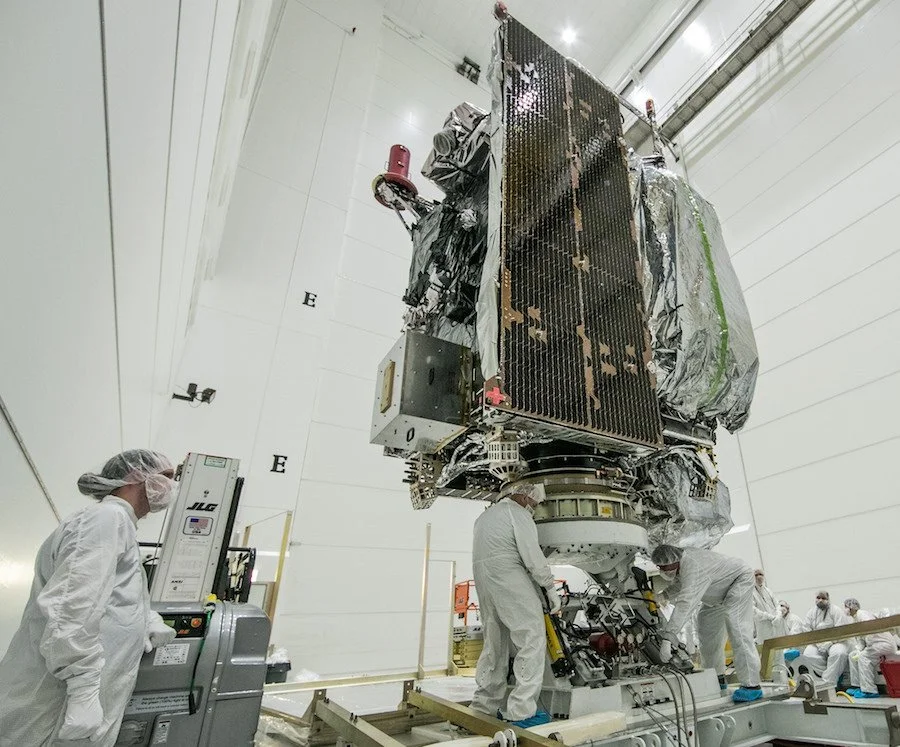
Our mission is to pioneer the next era of American manufacturing by creating breakthrough intellectual property, advanced materials, and transformative production technologies that expand the boundaries of industrial capability. Through relentless research, world-class engineering, and disciplined execution, we develop innovative solutions that increase productivity, strengthen resilience, and accelerate the adoption of next-generation manufacturing systems. We are committed to empowering U.S. manufacturers with the technologies, processes, and tools they need to compete and lead in a rapidly evolving global economy.
We believe a strong domestic manufacturing base is essential to economic prosperity, national security, and technological independence. By strengthening American supply chains, reducing strategic dependencies, and advancing critical industrial capabilities, we help secure the nation's future while creating lasting value for industry and society. Our goal is not only to improve how things are made, but to redefine what is possible through transformative manufacturing platforms that establish a new standard of American industrial excellence and global leadership.
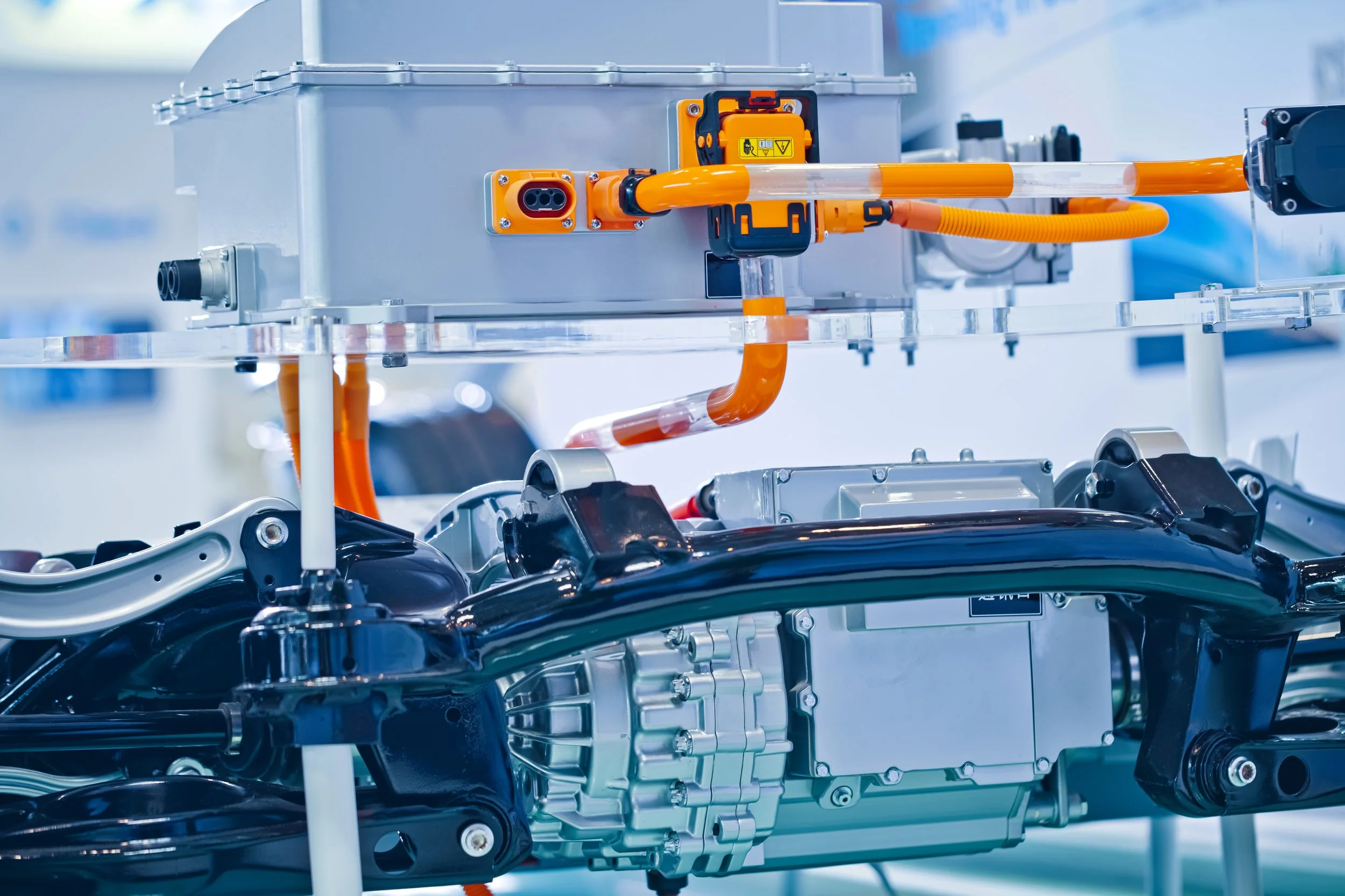
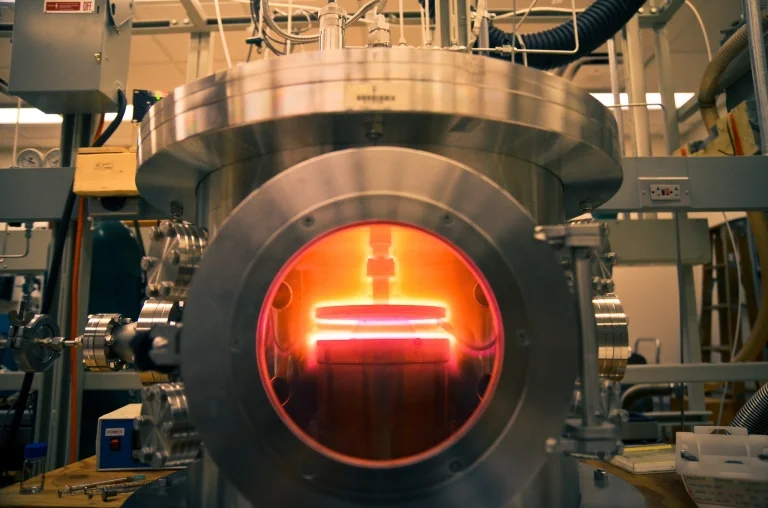
materials advancing america’s industrial renissance
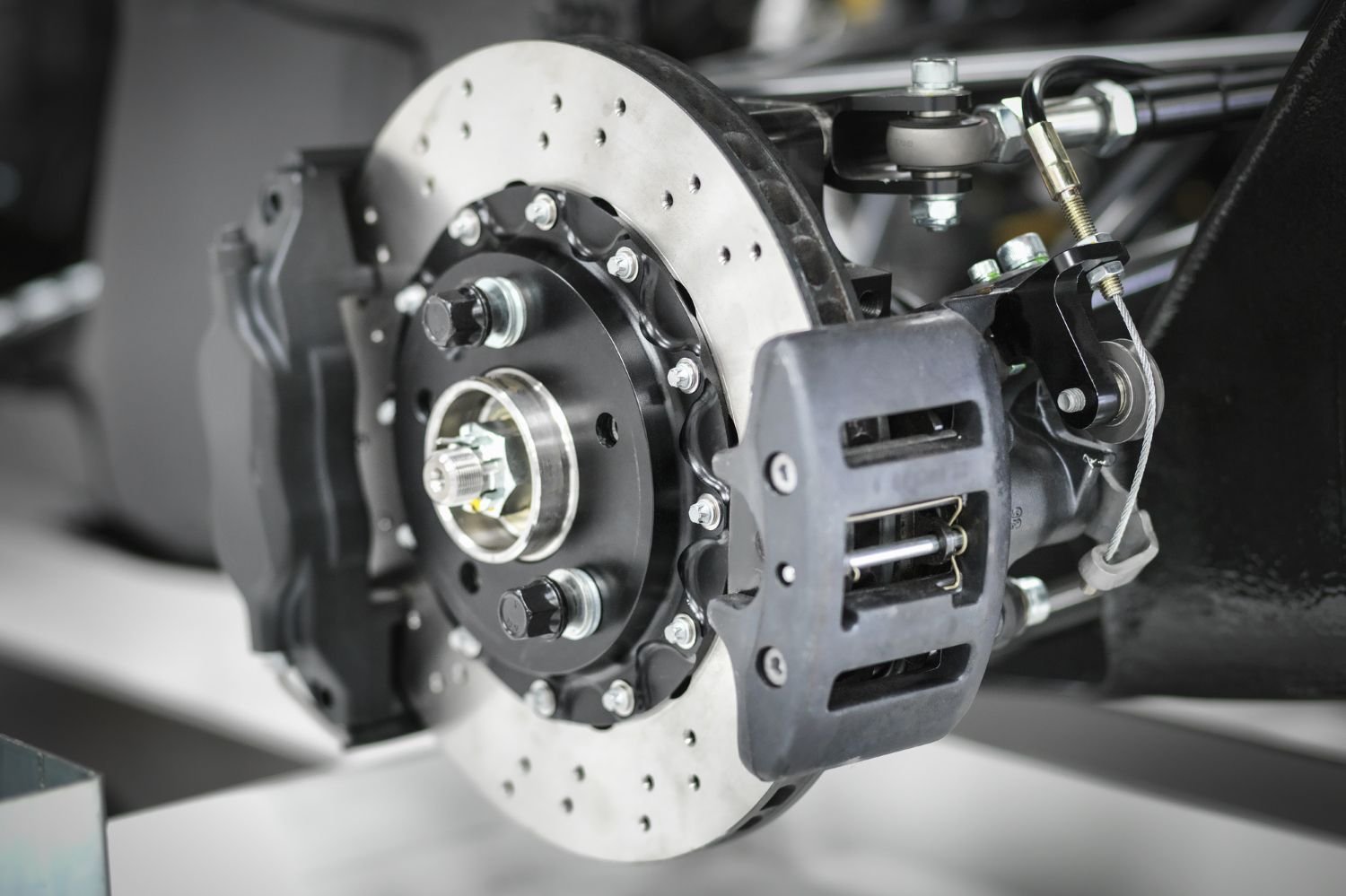
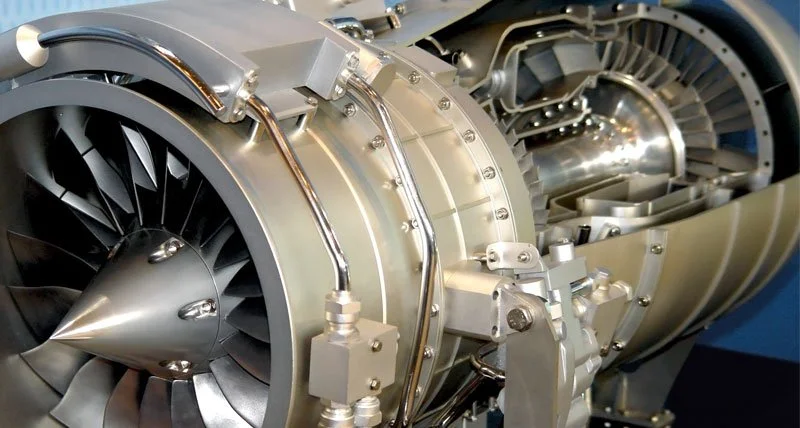
Advanced ceramic and metal‑matrix composites are becoming foundational to the resurgence of shoreside manufacturing because they enable performance, efficiency, and reliability levels that legacy materials simply cannot match. As industries push toward higher temperatures, tighter tolerances, lighter structures, and more extreme duty cycles, traditional alloys hit their physical limits. Ceramic‑reinforced and nano‑engineered composites break through those ceilings by delivering exceptional stiffness‑to‑weight ratios, thermal stability, wear resistance, and dimensional consistency under load.
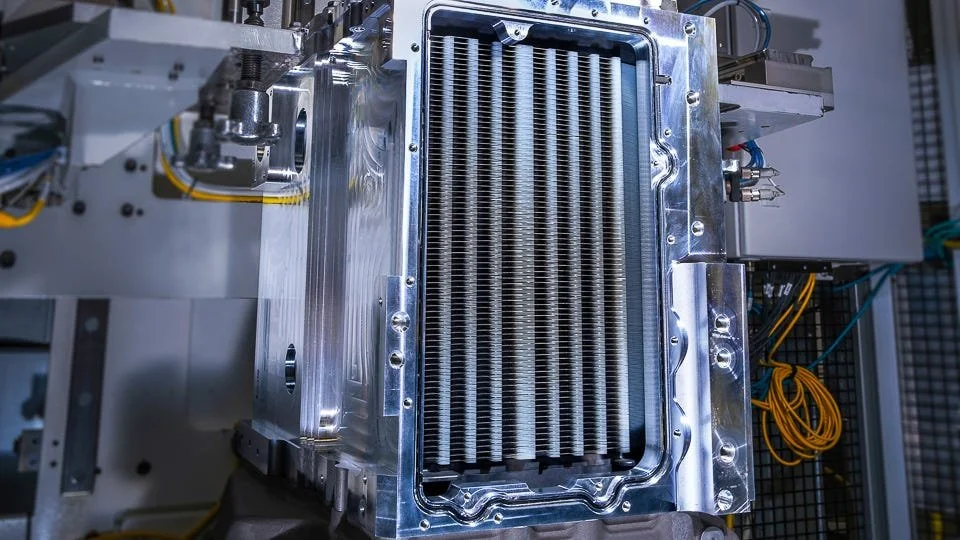
These materials don’t just improve products—they transform manufacturing economics. Their stability enables faster machining, longer tool life, and more predictable process windows. Their strength and thermal resilience allow components to be made thinner, lighter, and with fewer parts, reducing assembly labor and supply‑chain complexity. And because these materials can be produced through modern hybrid processes—powder metallurgy, friction‑stir consolidation, near‑net‑shape forming—they align perfectly with the push for automated, high‑throughput domestic production.